

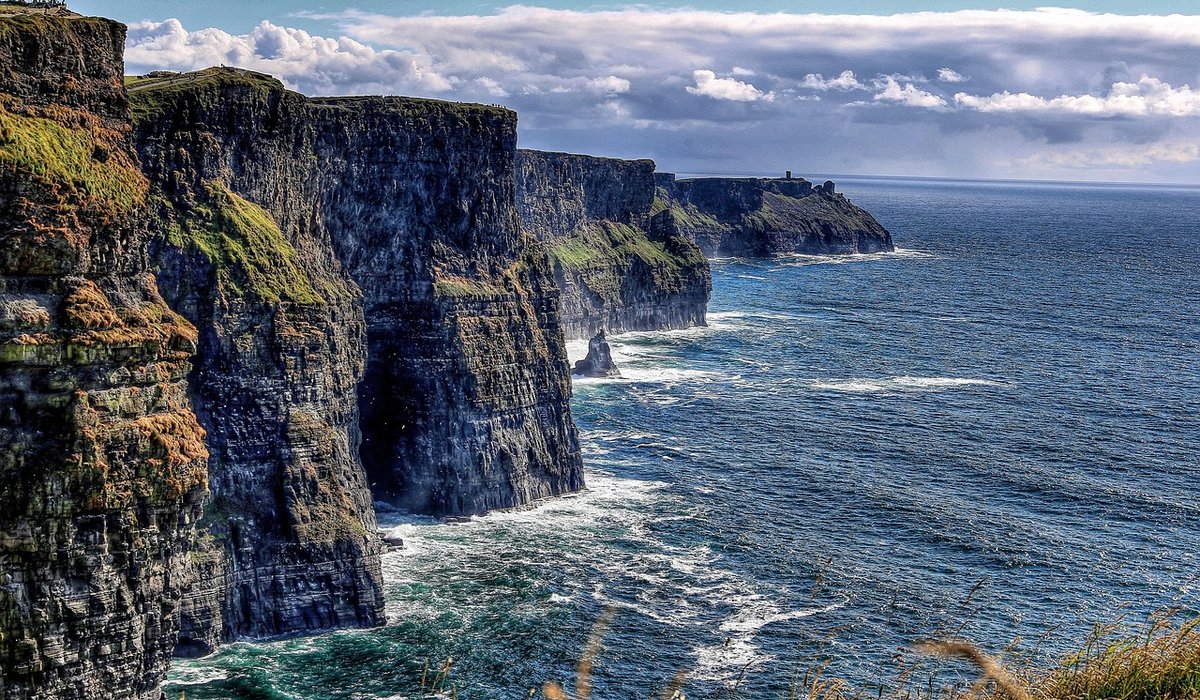
Visiting the Quiet Villages of County Donegal
Donegal occupies the far north-west of Ireland, where the land frays into islands and the Atlantic takes charge. It is a county of unplanned days: a walk on an empty beach, a bowl of chowder, an evening that begins with one pint and ends with a fiddle well past midnight. For visitors from the rest of the UK it feels both familiar and quietly foreign — English is spoken everywhere, Irish is spoken too, and the rhythm is set by weather rather than timetables.
A County That Sets Its Own Pace
Note first that Donegal is in the Republic of Ireland, so you will want euros rather than pounds, and speed limits are posted in kilometres per hour. Most visitors arrive by road from Northern Ireland, crossing near Derry or through the Inishowen peninsula. Once you leave the larger towns, the roads narrow to single tracks with passing places, and a journey that looks brief on the map can take twice as long as you expect. Allow for it. The reward is bog, granite and stone-walled fields that change colour every twenty minutes.
Villages Worth Building a Trip Around
You could settle in one village for a week and barely scratch the surface, but these places repay a night or two each.
- Dunfanaghy — a small town on the north coast with a long sandy strand, a handful of good cafés and easy reach to Glenveagh National Park and the cliffs at Horn Head. A sensible first base.
- Ardara — a heritage town in the south-west, known for handwoven tweed and for music that runs late. The beach at Maghera is a short drive away.
- Glencolmcille — remote, Irish-speaking and wonderfully still, with a folk village museum and the Silver Strand at Malin Beg nearby.
- Dungloe — the hub of the Rosses, handy for the islands and for the coastal road north towards Gweedore and Bunbeg.
- Malin and Culdaff — up in Inishowen, close to Malin Head. Bleak, beautiful and often empty even in August.
Beaches and Cliffs Without the Crowds
Donegal's beaches are the great surprise. Ballymastocker Bay near Portsalon is a long curve of pale sand backed by dunes; Maghera Strand, west of Ardara, has caves and a ruined church at one end; Narin and Portnoo offer safe swimming on calm days; and the Silver Strand at Malin Beg is a steep-sided cove reached by a flight of steps. Sea temperatures rarely climb far above 15°C, so a dip is bracing rather than blissful.
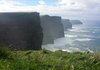
Inland, Glenveagh National Park has a castle, a walled garden and gentle trails. For something grander, head for Sliabh Liag in the south-west, where cliffs of around 600 metres fall straight into the sea. There is a viewing platform and a long flight of steps; keep well back from the edge in wind and rain, which is the usual state of affairs.
An Evening in a Donegal Pub
Traditional music is the heart of village life, and it is never staged for visitors. Sessions happen in the corner of a bar rather than on a stage, often starting around half nine and running until closing. They are most dependable from June to August and at weekends, but you will find them year-round in Ardara, Dungloe and the Gaeltacht villages.
A little etiquette goes a long way.
- Arrive early enough to get a seat, and sit near the musicians rather than among them.
- Listen. Keep chat low during tunes; a slow air deserves silence.
- Applaud when a set ends, and never shout a request mid-tune.
- Buying a round is welcome but not expected; asking about the music afterwards is valued just as much.
- Check locally — posters in shops and word in the pub are the only listings that matter.
Food is usually served until eight or nine, and the menu leans on the sea: chowder, smoked salmon, mussels, and fish landed at Killybegs. Sunday afternoons can be sleepy, with many places opening later than you might expect.
Practical Notes for a Short Break
A few details make the difference between a fine trip and a soggy one.
- Money — carry some cash. Cards are widely accepted, but small pubs, rural petrol pumps and honesty boxes prefer notes.
- Weather — pack a waterproof and layers whatever the forecast promises. Showers arrive fast and clear just as fast.
- Midges — they bite at dusk near water in July and August. Bring repellent and long sleeves for evening walks.
- Driving — fill up in towns, watch for sheep, and use passing places properly by pulling in and giving a wave.
- Booking — summer weekends and festival weeks fill months ahead, so book early, especially in the smaller villages.
- Getting there — most visitors drive from Northern Ireland or fly into the small airport at Carrickfinn. Buses run from Derry and Letterkenny to the main towns.
Plan less than you think you should. Choose two or three villages, allow time to sit in the same pub twice, and let a wet afternoon push you somewhere you had not intended to go. That is when Donegal shows itself at its best.


History
-
Simple greetings and polite expressions in Irish can enrich your travels, even if you only master a few words.


Travel


-

Long established fact that a reader will be distracted
-

Long established fact that a reader will be distracted
-

Long established fact that a reader will be distracted

Genealogy
Karla Gleichauf
12 May 2017 at 05:28 pm
On the other hand, we denounce with righteous indignation and dislike men who are so beguiled and demoralized by the charms of pleasure of the moment
M Shyamalan
12 May 2017 at 05:28 pm
On the other hand, we denounce with righteous indignation and dislike men who are so beguiled and demoralized by the charms of pleasure of the moment
Liz Montano
12 May 2017 at 05:28 pm
On the other hand, we denounce with righteous indignation and dislike men who are so beguiled and demoralized by the charms of pleasure of the moment