

Tracing the Origins of Irish Round Towers
A silhouette that has puzzled centuries
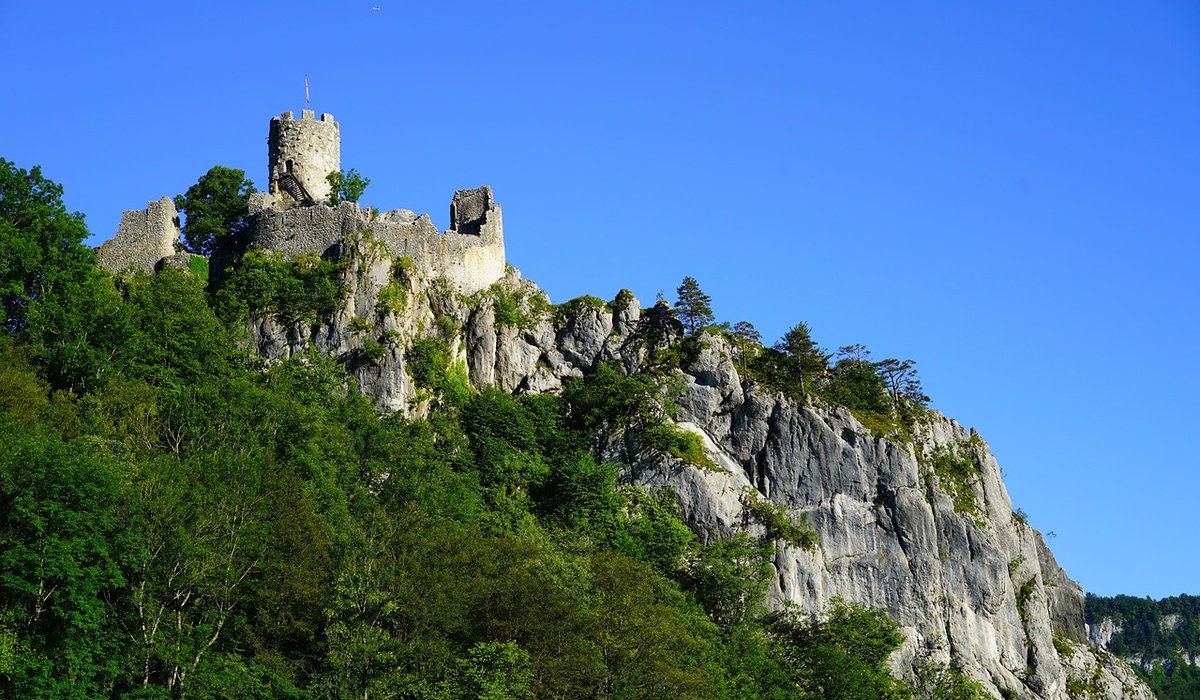
Driving through the Irish countryside, you will often spot one: a slender cylinder of grey stone rising above trees, graveyards or low monastic ruins. The Irish round tower is one of Europe’s most distinctive medieval buildings, and yet its original purpose is still argued over by historians and archaeologists. Were they bell towers, refuges, storehouses, lookouts, or all of these at once? The honest answer is that no single explanation fits every tower. What we can do is look closely at the fabric of the buildings, the documentary references, and the landscapes they inhabit — and the picture becomes richer, not simpler.
What exactly is an Irish round tower?
About sixty-five round towers survive in whole or in part, mostly on the island of Ireland, with dates clustering between the ninth and twelfth centuries. They are built of local stone — limestone, sandstone, granite, schist — laid in lime mortar, with a battered base that gives them stability. The doorway is almost always raised above ground level, sometimes by a metre or two, and reached by steps or a wooden platform. Inside, there would have been timber floors connected by ladders. Near the top, just below the conical stone roof, you usually find four small windows, often facing the cardinal directions. The roof itself is corbelled, each stone projecting slightly beyond the one below until the circle closes.
- Height: commonly 20–30 metres, with a few reaching over 30.
- Diameter: usually 4–6 metres at the base, tapering slightly upwards.
- Doorway: raised, often west or south-west facing, though exceptions exist.
- Windows: small and sparse, with the main openings near the top.
That consistency of design across centuries and counties tells us something important: this was a form people recognised, copied and adapted, not a one-off experiment.
The bell tower theory: the strongest contender
The Irish word for round tower is cloigtheach, which literally means “bell house”. That is a powerful clue. In early medieval Irish monasteries, bells were not the great cast instruments of later cathedrals but hand-bells, often of iron or bronze, rung to call the community to prayer and to mark the hours. A tall stone tower with upper windows would carry that sound across the settlement and surrounding fields. References in the annals to towers being burned, struck by lightning, or shaken by earthquakes fit buildings that were part of monastic life, not isolated forts.
Practical details support the bell theory too. The upper windows are positioned where a bell could be hung and sounded. The raised doorway kept the entrance secure but allowed access from an internal ladder or external stairs. The tower’s height gave the bell a clear path over monastery walls and trees. If you visit a site like Clonmacnoise or Glendalough, stand where the monastic enclosure would have been and imagine the bell sounding — the tower suddenly makes acoustic sense.
Refuge, store, lookout, or symbol?
The refuge theory is popular, especially in stories of Viking raids. A monk spots longships, grabs the treasures, climbs the ladder, pulls it up, and shuts the door. It is a vivid image, but the practical problems are real. A fire set at the base could drive people out. A small tower could not hold a large community for long. And there is little archaeological evidence of hoards hidden inside. That said, the raised doorway clearly offered some protection, and the thick walls were fire-resistant compared with timber buildings.
- Storage: dry, secure upper floors could have held manuscripts, relics, or valuables.
- Lookout: height and windows made them useful for watching approaches by land or water.
- Symbolism: a tower pointed heavenwards, marking a sacred site and expressing status.
- Multi-purpose: the most likely answer — bells first, with storage and refuge as occasional benefits.
Modern scholarship tends to favour a primary bell-tower function, with other uses layered on. That does not make the towers less mysterious. It makes them more human: buildings shaped by daily prayer, practical need and occasional fear.
Where to see them — and what to notice
Good examples are scattered across the island. Kilmacduagh in County Galway leans noticeably, a reminder that these are ancient structures on soft ground. Ardmore in County Waterford has a fine tower within a monastic site. Devenish Island in County Fermanagh and Antrim Round Tower show how the form travelled. The Rock of Cashel, Monasterboice in County Louth, Rattoo in County Kerry and Timahoe in County Laois all reward a slow look. Many towers stand in active graveyards, so visit with care: close gates, keep dogs on leads, and never climb the towers or disturb masonry.
When you visit, look for the details. Is the doorway round-headed or lintelled? Where are the windows placed? Can you see putlog holes where scaffolding once sat? Is the base battered or straight? Does the tower align with a church, a cross, or a holy well? These small observations connect you to the masons and monks who built it.
Looking with fresh eyes
The origins of Irish round towers are not a puzzle with one missing piece. They are a conversation between architecture, faith, defence and landscape. The bell tower theory remains the strongest single explanation, but the best answer is probably a practical one: a cloigtheach that rang the hours, stored what mattered, offered a last resort in trouble, and announced a monastery’s presence for miles around. Next time you see one on the skyline, take the time to walk its base, study its stone, and listen. The tower may not speak, but the landscape around it still does.


History
-
The Norman invasion reshaped Irish politics and land ownership, leaving a lasting mark on towns, families, and the English language in Ireland.


Travel


-

Long established fact that a reader will be distracted
-

Long established fact that a reader will be distracted
-

Long established fact that a reader will be distracted


Genealogy
Karla Gleichauf
12 May 2017 at 05:28 pm
On the other hand, we denounce with righteous indignation and dislike men who are so beguiled and demoralized by the charms of pleasure of the moment
M Shyamalan
12 May 2017 at 05:28 pm
On the other hand, we denounce with righteous indignation and dislike men who are so beguiled and demoralized by the charms of pleasure of the moment
Liz Montano
12 May 2017 at 05:28 pm
On the other hand, we denounce with righteous indignation and dislike men who are so beguiled and demoralized by the charms of pleasure of the moment