

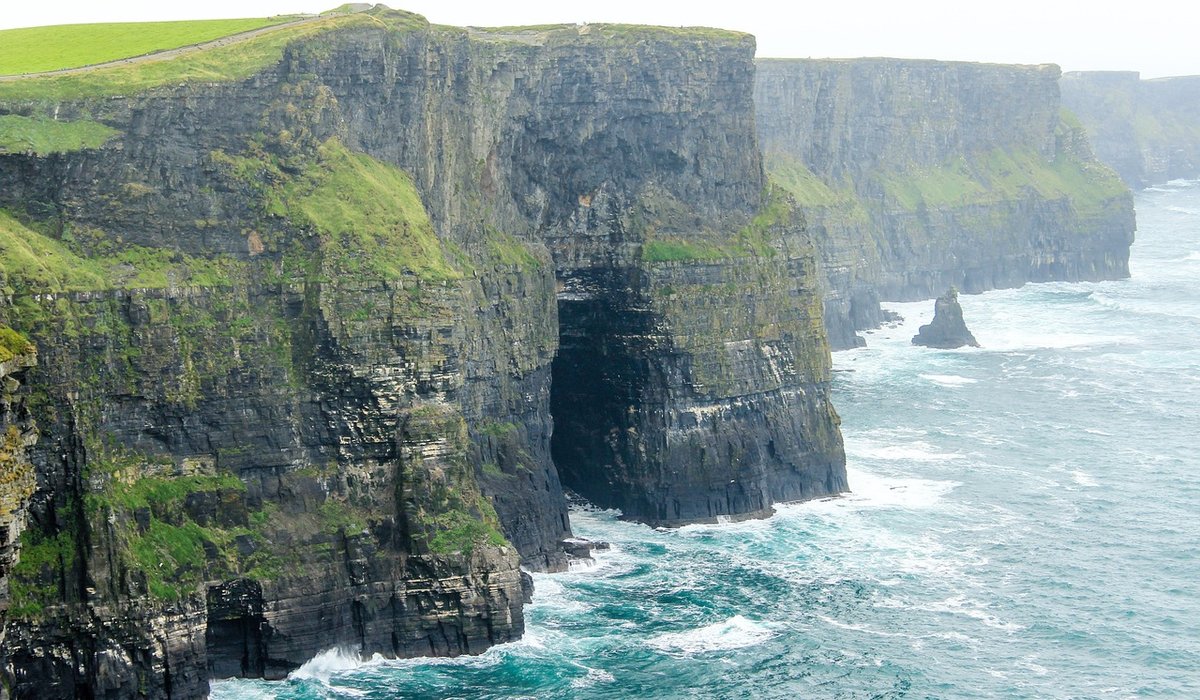
A Gentle Journey Along the Wild Atlantic Way
Why the Wild Atlantic Way Suits a Slow Holiday
The Wild Atlantic Way runs for around 2,500 kilometres along Ireland's western seaboard, from the Inishowen Peninsula in County Donegal down to Kinsale in County Cork. It is not a route to be rushed. The road twists through mountain passes, hugs cliff edges, and dips into villages where the pace of life still moves with the tide and the weather. For UK travellers, it is one of the most rewarding driving holidays within easy reach.
What makes it work as a slow trip is the sheer density of things to see within short distances. You might drive twenty minutes and find a Neolithic tomb, a deserted beach, and a pub where the same family has pulled pints for four generations. The trick is to resist the urge to tick off the whole route. Most people who try to complete it in a week come home exhausted and remember very little. Far better to choose a stretch or two and give it proper time.
A few practical notes before you set off. Drive on the left, as you would at home, but expect roads to be narrower than you are used to, particularly in Mayo and Donegal. Passing places are common on minor roads, and a friendly wave of acknowledgement costs nothing. Fuel up when you see a station, as they become sparse in the more remote stretches. And always carry a waterproof layer, even in July.
Donegal and Sligo: The Northern Stretch
Start in Donegal if you can. The county is often overlooked, which is precisely its charm. Malin Head, the most northerly point of the island, offers windswept views across to Scotland on a clear day. Further south, the Slieve League cliffs near Carrick drop almost 600 metres to the Atlantic and are every bit as dramatic as the more famous Cliffs of Moher, with a fraction of the crowds.
Sligo is where the landscape begins to feel almost literary. The poet W. B. Yeats drew heavily on this scenery, and it is easy to see why. Benbulben, the flat-topped mountain that dominates the skyline, has a brooding presence that stays with you. Allow time for:
- Streedagh Beach, a long, quiet strand with views towards Donegal
- The medieval ruins at Sligo Abbey in the town centre
- The Glencar Waterfall, a short walk from the car park and lovely after rain
- A pint and some traditional music in one of Sligo town's many pubs
Mayo and Connemara: Emptiness and Light
Crossing into County Mayo, the landscape empties out. Achill Island, reached by a bridge, has some of the finest beaches in Ireland, including Keem Strand, a sheltered crescent at the foot of a mountain. The Great Western Greenway, a converted railway line, runs for about 42 kilometres between Westport and Achill and is superb for cycling if you fancy a day off from driving.
Connemara, in County Galway, is the stretch many visitors remember longest. The Twelve Bens mountains rise from a patchwork of bog, lake, and stone wall. Kylemore Abbey, a nineteenth-century house set against a wooded hillside, is worth an afternoon. The village of Leenane sits at the head of Killary Harbour, Ireland's only fjord, and makes a fine base for a night or two.
This is also prime Gaeltacht territory, where Irish remains the everyday language. You will hear it in shops and on local radio. Do not be shy about trying a few words. Even a simple go raibh maith agat — thank you — tends to be warmly received.
The Cliffs and the Kingdom
The Cliffs of Moher in County Clare are the route's headline act, and they deserve their reputation. The visitor centre is well run, but the experience is better if you walk a little way along the cliff path beyond the main viewing platform. Arrive early in the morning or late in the afternoon to avoid the coach parties.
Further south, County Kerry is often called the Kingdom, and it wears the name well. The Ring of Kerry is the famous circuit, but the Dingle Peninsula is arguably the more rewarding drive, with fewer tour buses and a stronger sense of place. Slea Head, at the western tip, looks out towards the Blasket Islands, abandoned in 1953 but still the subject of a rich literary tradition.
If you have time for only one detour in Kerry, make it the Gap of Dunloe. You can walk or cycle the road through the pass, or take a traditional boat across the lakes to Killarney. Either way, it is a memorable half-day.
Where to Stay and What to Eat
Accommodation along the route ranges from luxury hotels to simple bed and breakfasts, but the mid-range guesthouse is the sweet spot. Irish hospitality is not a marketing invention — it is genuine, and a good host will send you to places no guidebook mentions.
On food, the west coast has improved enormously in recent years. Look out for:
- Fresh seafood chowder, a reliable staple in coastal pubs
- Galway oysters, best in the months with an R in them
- Irish soda bread, often still warm when it reaches your table
- Local lamb, particularly from Connemara and the Burren
Book ahead in July and August, especially in Dingle, Westport, and Galway city. Outside peak season, you can often turn up and find a room, and prices drop noticeably.
Making the Most of Your Drive
Aim for no more than 150 to 200 kilometres a day. That sounds modest, but on these roads it is plenty, and it leaves room for the unplanned stop — the holy well, the tiny beach, the chat with a farmer about the weather. Rent something comfortable rather than sporty, as the roads reward a relaxed driving style.
Weather will change, often several times a day. Treat rain as part of the experience rather than a reason to stay indoors; the light after a shower is what makes this coastline so photogenic. Bring layers, decent walking shoes, and a sense of humour about the forecast.
Finally, leave the itinerary a little loose. The best moments on the Wild Atlantic Way tend to be the ones you did not plan — a music session that starts at nine and ends at midnight, a wrong turn that leads to a view you will never forget. Give the road time, and it will repay you generously.


History
-
Older than the pyramids, the Boyne Valley tombs and ceremonial sites reveal sophisticated Neolithic engineering and spiritual beliefs.


Travel




-

Long established fact that a reader will be distracted
-

Long established fact that a reader will be distracted
-

Long established fact that a reader will be distracted



Genealogy
Karla Gleichauf
12 May 2017 at 05:28 pm
On the other hand, we denounce with righteous indignation and dislike men who are so beguiled and demoralized by the charms of pleasure of the moment
M Shyamalan
12 May 2017 at 05:28 pm
On the other hand, we denounce with righteous indignation and dislike men who are so beguiled and demoralized by the charms of pleasure of the moment
Liz Montano
12 May 2017 at 05:28 pm
On the other hand, we denounce with righteous indignation and dislike men who are so beguiled and demoralized by the charms of pleasure of the moment