

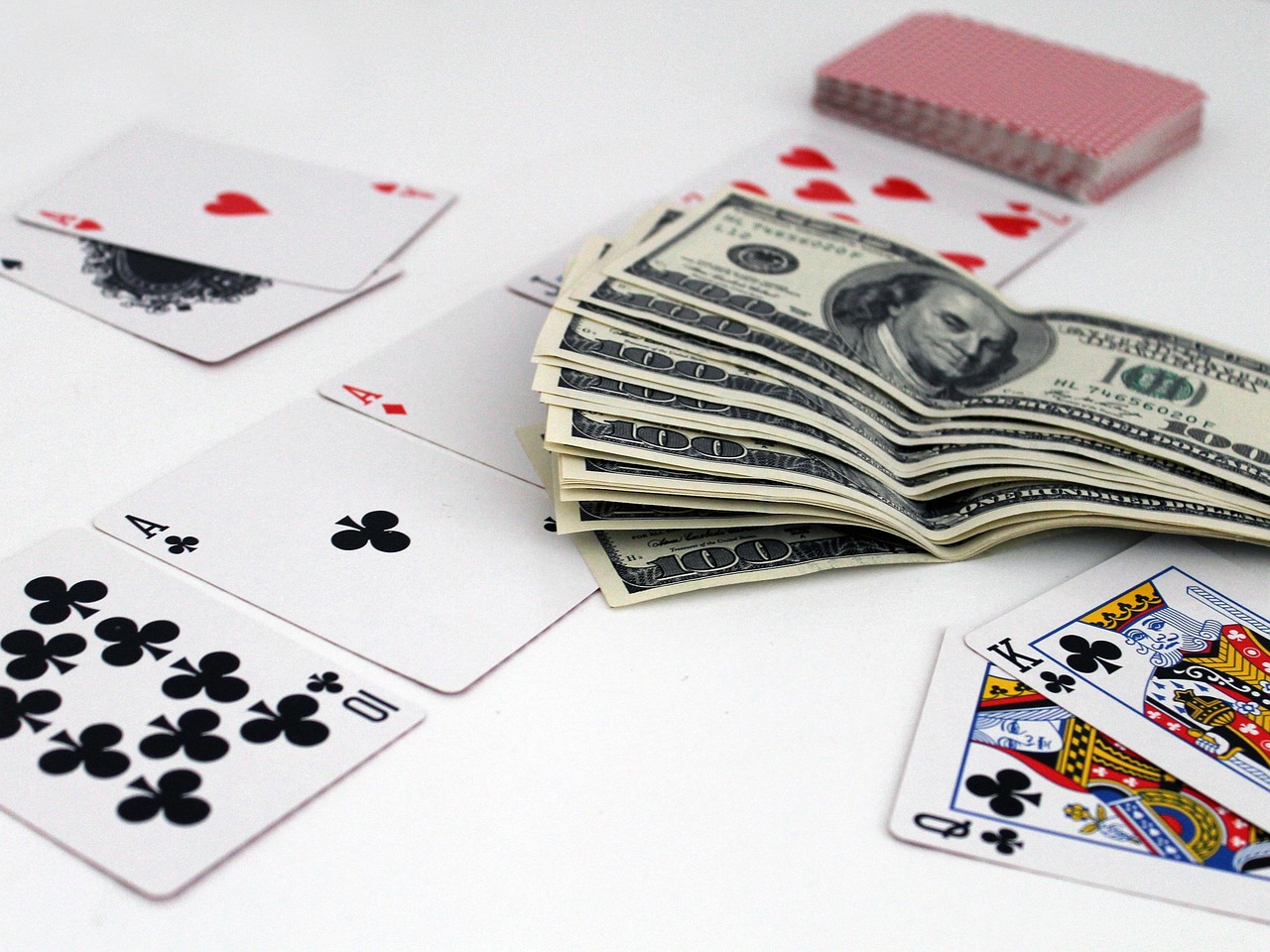
The House Always Wins? Debunking iGaming's Biggest Myths
The phrase "the house always wins" gets thrown around so often that most players accept it as gospel and move on. But if that were strictly true in every scenario, poker rooms would be empty, sports betting exchanges wouldn't exist, and no one would ever cash out a jackpot. The reality of iGaming is far more nuanced than a bumper sticker slogan. Whether you're spinning slots at 2 a.m., grinding a cash game, or sweating a four-team parlay, understanding how the math actually works changes everything about how you play. Let's pull back the curtain on the casino, the sportsbook, and the poker room — without the marketing gloss.
House Edge Isn't a Death Sentence — It's a Price Tag
Every casino game carries a built-in advantage for the operator. That's not a conspiracy; it's the business model. What matters is the size of that edge and how it interacts with your bankroll over time.
Consider the spread:
- Blackjack (basic strategy, good rules): roughly 0.5% house edge
- Baccarat (banker bet): about 1.06%
- European roulette: 2.7%
- American roulette: 5.26% (that extra double zero is brutal)
- Slots: typically 2% to 10%, often higher on progressives
Notice the gap between blackjack and slots. A player who understands strategy is paying a fraction of the "tax" that a slot player pays per spin. That doesn't mean slots are bad — they're entertainment with a different cost structure — but it does mean the game you choose is the single biggest factor in your long-term results. If you play 500 hands of blackjack at $10 a hand with a 0.5% edge, your expected loss is about $25. Play 500 spins at $1 on a slot with a 5% edge and your expected loss is also $25 — but you'll experience far more variance and far less control. For a closer look, az888.br.com has helpful details.
RTP, Volatility, and Why Two Slots Feel Completely Different
Return to Player (RTP) is the percentage of all wagered money a slot pays back over millions of spins. A 96% RTP slot keeps 4% on average. But here's the trap: RTP tells you almost nothing about what a session feels like.
That's where volatility comes in. Two slots can both have 96% RTP and behave like completely different animals:
- Low volatility: frequent small wins. Think a slot where you're hitting something every 8–10 spins. Great for stretching a bankroll, boring if you want a headline.
- Medium volatility: the middle ground. Wins come less often but with more substance.
- High volatility: long dry spells punctuated by massive hits. A 96% RTP high-volatility slot might go 200 spins without a meaningful win, then pay 500x. Your $100 bankroll can vanish in 20 minutes if you're not sized correctly.
Practical tip: match volatility to your bankroll. If you're playing with $50, high-volatility slots are a coin flip at best. If you have $500 and patience, they can be worth the swing. Also check whether a slot's max win is capped — some claim "10,000x" but realistically hit that once in a blue moon. The advertised max is not a target; it's a ceiling.
Poker Is the One Game Where You're Not Playing the House
Here's the beautiful thing about poker: you're not betting against the casino. You're betting against other players, and the house just takes a rake — typically 5% of the pot capped at $3 to $5 in live cash games, or a flat fee per hand online. That means a skilled player can genuinely be profitable long-term, which is impossible in pure chance games.
But "skilled" is doing a lot of work in that sentence. The modern poker ecosystem is brutal. Online micro-stakes are populated by solvers, tracking software, and players who have studied ranges for years. If you sit at a $0.05/$0.10 table expecting to print money because you watched a few YouTube videos, you'll be the fish within an hour.
A few hard truths for anyone considering poker as a side income:
- Volume matters. A 2bb/100 win rate at $1/$2 is solid, but that's $4 per 100 hands. You need thousands of hands to see reliable results.
- Variance is savage. Even winning players endure 20,000-hand downswings. If you can't handle that psychologically, cash games will break you.
- Live is softer. Live $1/$2 games at a local casino or card room are still beatable by disciplined players, because recreational players dominate the pool. The tradeoff is slower hands per hour.
Sports Betting: Line Shopping Is Free Money
If you bet sports at only one book, you're leaving money on the table every single time. Different sportsbooks price the same game differently, and those differences compound over a season.
Example: you want to bet the Chiefs -3. Book A offers -110, Book B offers -105. On a $100 bet, that 5-cent difference saves you about $2.40 when you win. Over 500 bets a year, that's over $1,200 in saved juice — essentially a free bankroll boost just for having accounts in multiple places.
Other concrete edges:
- Promotions and boosts: risk-free bets, profit boosts, and deposit matches are real value if you read the terms (watch the rollover requirements).
- Closing line value (CLV): if you consistently beat the closing line, you're a long-term winner, even if short-term results are ugly.
- Avoid parlays as a strategy. They're fun, but the house edge stacks with every leg. A 4-leg parlay at -110 each has a hold north of 10%.
Bankroll Management: The Boring Skill That Actually Decides Everything
You can have perfect strategy and still go broke if your bet sizing is reckless. Bankroll management is unglamorous, but it's the difference between a hobby and a disaster.
- Never bet money you need. Rent, groceries, and savings are off-limits. Full stop.
- Use unit sizing. For sports, 1–2% of your bankroll per bet is standard. For poker, 20–30 buy-ins for cash games. For slots, decide your session loss limit before you spin once.
- Set stop-losses and stop-wins. Leave when you hit either. Tilt and greed are the two most expensive emotions in gambling.
- Track everything. A simple spreadsheet of deposits, withdrawals, and sessions will tell you more about your habits than any gut feeling.
The Takeaway
The house does have an edge in most games, but "always wins" is lazy shorthand for a much more interesting truth: the edge is variable, manageable, and sometimes beatable. Choose games with lower margins, understand volatility before you spin, shop your lines, and treat your bankroll like a business expense rather than a lottery ticket. Do that, and you shift from being a passenger in the casino's math to being a player who at least knows the price of the ride. And in iGaming, knowing the price is half the battle.


History
-
The Norman invasion reshaped Irish politics and land ownership, leaving a lasting mark on towns, families, and the English language in Ireland.


Travel




-

Long established fact that a reader will be distracted
-

Long established fact that a reader will be distracted
-

Long established fact that a reader will be distracted




Genealogy
Karla Gleichauf
12 May 2017 at 05:28 pm
On the other hand, we denounce with righteous indignation and dislike men who are so beguiled and demoralized by the charms of pleasure of the moment
M Shyamalan
12 May 2017 at 05:28 pm
On the other hand, we denounce with righteous indignation and dislike men who are so beguiled and demoralized by the charms of pleasure of the moment
Liz Montano
12 May 2017 at 05:28 pm
On the other hand, we denounce with righteous indignation and dislike men who are so beguiled and demoralized by the charms of pleasure of the moment